
An Alabama homeowner may be able to sell a house while an insurance claim remains open, but the sale and the claim must be coordinated carefully. A pending claim does not automatically transfer to the buyer, and selling does not guarantee the seller receives every future insurance payment. The outcome depends on when the damage happened, the policy, the insurer’s position, any mortgage lender’s rights, and the purchase contract. Before agreeing to close, tell the insurer, lender, and closing professional about the claim and obtain written instructions.
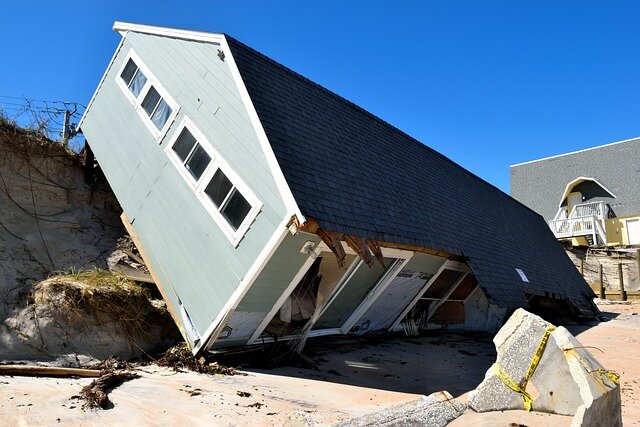
Why an open insurance claim matters during a home sale
Imagine that a windstorm damages a roof, the owner files a claim, and a buyer makes an offer before the insurer finishes reviewing the loss. The house still exists, but several questions are unresolved: What repairs are needed? How much is covered? Will funds be paid to the homeowner, a mortgage lender, or a contractor? Will the buyer accept the damaged condition?
The same coordination problem can arise after hail, water, smoke, or fire damage. The fact that the property is being sold does not erase the physical damage or change the need for a clear contract. The claim involves an insurance agreement; the sale involves a separate purchase agreement. The parties should not assume the documents say the same thing.
Our existing Alabama damaged-house selling guide covers whether owners should repair, market as-is, or pursue a direct offer. Here, the narrower question is how to handle a claim that has not been fully resolved.
Start with the date of loss and the insurance policy
Write down the date of the event that caused the damage, the date you reported it, the claim number, and your carrier’s latest written determination. Collect the adjuster’s estimate, photos, contractor reports, receipts for emergency protective work, and notices about payments or deductibles.
Then ask the insurer what remains open. Is it deciding whether the loss is covered? Waiting for documents? Reviewing a repair estimate? Holding back payment until work is completed? Each situation has different implications for an agreement to sell before repairs are finished.
Ask the insurer directly what happens if the property changes ownership before the claim closes. Coverage rights and the ability to assign claim proceeds are governed by policy language and applicable law; do not rely on an informal assumption that the buyer automatically receives the claim or that the seller automatically keeps it.
Check whether your mortgage lender controls any claim proceeds
When a damaged home has a mortgage, an insurance payment may name both the homeowner and lender. The lender may hold money while repairs are verified. Alabama Code § 27-22-61 addresses a specific situation: when a lender receives a joint insurance payment for residential property damage and holds some or all of the proceeds pending repairs, the lender must notify the insured of the requirements for releasing those proceeds within the statutory period.
You can read the text of Alabama Code § 27-22-61. The provision does not mean every claim is paid jointly or that every lender holds money. It illustrates why the payoff and claim-payment instructions deserve attention before closing.
Ask your mortgage servicer whether any proceeds are in a restricted account, what inspections are required for release, whether the sale changes its requirements, and what must happen at payoff. A closing attorney may need to coordinate with the lender so the settlement statement does not treat restricted funds as ordinary cash available to the seller.

Three ways a sale and pending claim might fit together
Route 1: Resolve the claim and repairs before listing
If the insurer makes a determination and the repairs can be completed within a reasonable time, the property may be easier for buyers to inspect and value. The homeowner must still consider the deductible, uncovered work, contractor availability, inspection requirements, and carrying costs. An insurance payment is not the same as a guarantee that every repair is fully funded.
Route 2: Sell with repairs or payment responsibilities clearly allocated
Some buyers may agree to a transaction that identifies unfinished repairs and assigns the cost or responsibility under the contract. Whether any insurance rights can be assigned is a separate matter for the insurer and legal counsel to evaluate. The contract should avoid vague phrases such as “buyer gets the insurance check” unless the insurer and relevant parties have confirmed the arrangement is permitted and documented correctly.
Route 3: Seek an as-is purchase offer
An as-is buyer may be willing to evaluate the property in its existing condition, including the estimated work required after the loss. That possibility does not automatically solve the insurance claim. Ask for clarity about whether the offered price assumes the claim remains with the seller, whether any repairs must be performed, and what happens if coverage is later denied or reduced.
For general differences between a direct sale and a conventional transaction, consult our cash-offer versus traditional sale overview. Keep the claim-specific financial questions in the actual purchase agreement.
What should be written into the sale agreement?
Ask the closing attorney to help identify the condition in which the property will be delivered, whether the seller has agreed to perform repairs, which party bears uncovered expenses, and whether the contract depends on any remaining inspection or lender approval. If money is being held in escrow for repairs, the parties should specify who controls it, when it can be released, and what happens to a dispute or unused balance.
If an insurance claim stays pending after the sale, document who will communicate with the insurer and who is entitled to what under the applicable policy and lawful agreement. A private agreement between buyer and seller may not bind an insurer or mortgage lender without their consent. Avoid promises to an interested buyer before confirming those third-party requirements.
Our Alabama closing-process article explains settlement paperwork generally. A pending claim adds another document trail that should be handled explicitly rather than left to a handshake.
Keep your claim accurate and your evidence organized
Report the facts about damage, repairs, and payments accurately. Keep dated photographs and receipts. If you have already made temporary repairs to prevent further loss, preserve invoices and explain that work to the adjuster. Do not exaggerate damage or suggest that pre-existing defects were caused by a storm.
The Alabama Department of Insurance publishes consumer guidance on filing property-damage claims after storms, including how to document losses and communicate with an insurer. If you disagree with a claim decision, follow the policy’s process, ask for the carrier’s written explanation, and seek qualified assistance where appropriate.
Before you provide buyer access to the property, identify unsafe areas such as exposed wiring, structural damage, or active leaks. Marketing a home for sale should not put a visitor, inspector, or contractor at avoidable risk.
Questions for your insurer, lender, and closing team
- Insurer: What remains unresolved, who may receive payment, and what changes if ownership transfers before the claim closes?
- Mortgage lender: Are any claim funds held, what releases are required, and how will closing or payoff affect those funds?
- Buyer: What condition is acceptable, and are requested repairs or credits written into the offer?
- Closing attorney: Which conditions, liabilities, claim rights, or escrow terms must be addressed before the parties sign?
- Contractor or inspector: Which repairs are confirmed, and which items are still estimates or unknowns?
Get these answers in writing when possible. A clear timeline and documented responsibilities are usually more useful than trying to predict the final insurance result.
Frequently asked questions
Can I close before the insurance adjuster finishes?
Sometimes a closing can occur while a claim is unresolved, but the insurer, mortgage lender, buyer, and closing professional must be consulted. The contract should address the physical damage and any unresolved payment or repair obligations.
Does the insurance claim automatically belong to the buyer?
No automatic transfer should be assumed. The answer depends on policy terms, the timing and nature of the loss, applicable law, and any valid documented assignment or agreement.
Will an open claim prevent a cash sale?
Not necessarily. A buyer may evaluate the home as-is. However, unresolved title, payment, safety, and contractual issues may still affect whether or when closing can happen.
What if the insurance payment is smaller than the repair estimate?
Illustrative example only, not an estimate of a typical Alabama claim: A contractor estimates $18,000 in repairs, while the insurer has approved $12,000 so far. That leaves a $6,000 difference between those two figures, but it does not tell you whether additional claim payments, deductible amounts, depreciation, or financing conditions apply. Ask the insurer and lender to explain the figures in writing before using any expected payout to negotiate the sale.
Review the explanation of benefits, deductible, exclusions, and estimate with the carrier. Ask what appeal or supplemental documentation is available. In a sale, make sure the parties agree in writing who bears the shortfall rather than assuming someone else will cover it.
Discuss the property and the claim separately
If you are considering selling rather than managing repairs over time, you can request an Alabama cash-offer discussion. Be ready to describe the damage and the claim’s current status. Any proposed purchase should be reviewed independently, including how the unsettled insurance matter will be handled.
Editorial note: This is general information, not insurance or legal advice. Policy wording, coverage, lender rights, claim timing, and the sale contract govern individual outcomes. Confirm the arrangement with your own carrier, lender, and Alabama closing counsel.